The e-commerce market is growing faster than ever, and competition in the print-on-demand space is more intense than it has ever been. Strong designs and low prices alone are often no longer enough to build a lasting competitive advantage. What truly sets the top-performing sellers apart today is product personalization, a solution that increases margins, improves conversion rates, and helps build stronger relationships with customers. Personalization is no longer a trend. It has become a new standard in online sales.
What Is Product Personalization in Print-on-Demand?
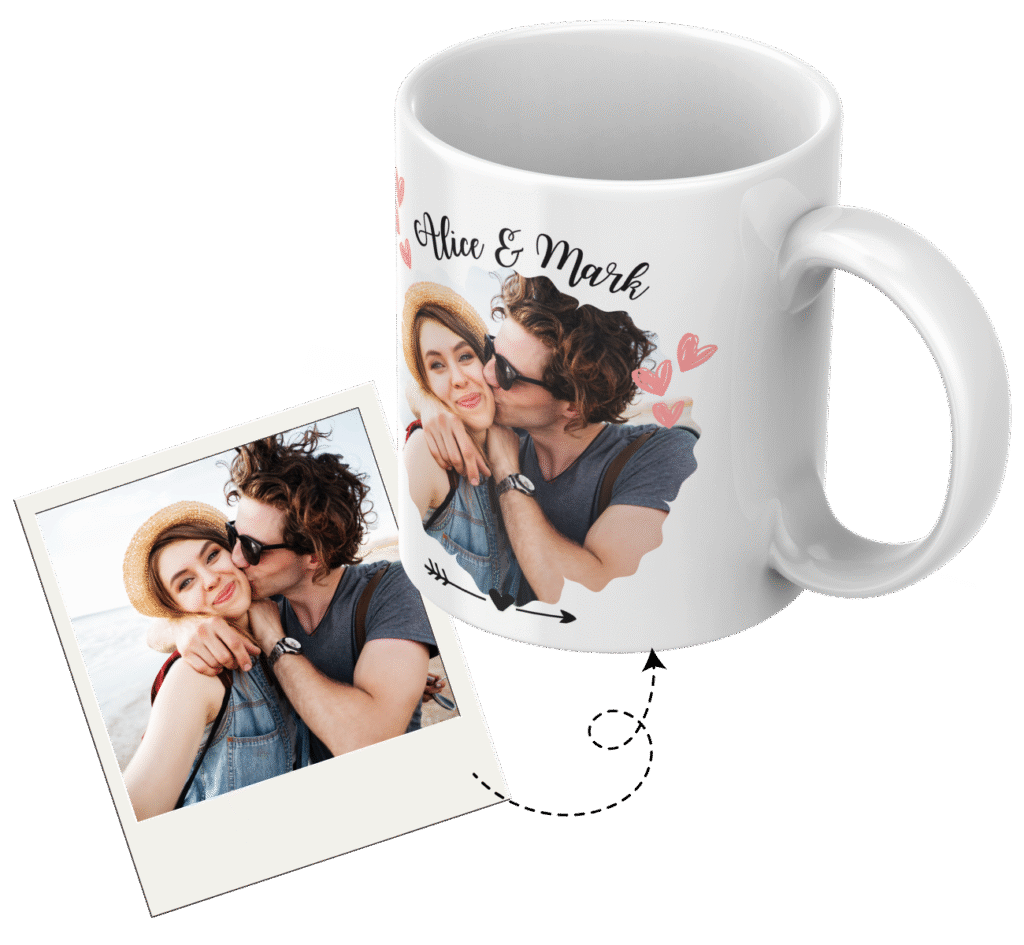
Personalization in the print-on-demand model allows end customers to modify a product before placing an order. This can include adding a personal photo, a name, a date, a short text, or even creating a custom layout using predefined design elements.
What matters most is that the entire process is fully automated. Customers see a real-time preview of their design, while production-ready files are sent directly to manufacturing. Sellers don’t need to manually edit artwork or review orders, which makes the business fully scalable.
Why Does Personalization Increase E-commerce Sales?
One of the most cited reasons for implementing personalization is the increase in average order value. Customers are willing to pay more for products that feel unique and made specifically for them. In practice, this often means the ability to raise prices by several dozen percent without a noticeable drop in conversion rates.
Equally important is the fact that personalized products are harder to compare with competing offers. Instead of seeing “another printed T-shirt,” customers perceive a one-of-a-kind product created on demand. As a result, price pressure decreases and sellers regain control over their margins.
There is also a strong psychological factor at play. The personalization process actively engages customers, increases the time they spend on the website, and makes them feel emotionally connected to the product. This significantly reduces cart abandonment and increases the likelihood of completing the purchase.
Which Products Work Best for Print-on-Demand Personalization?
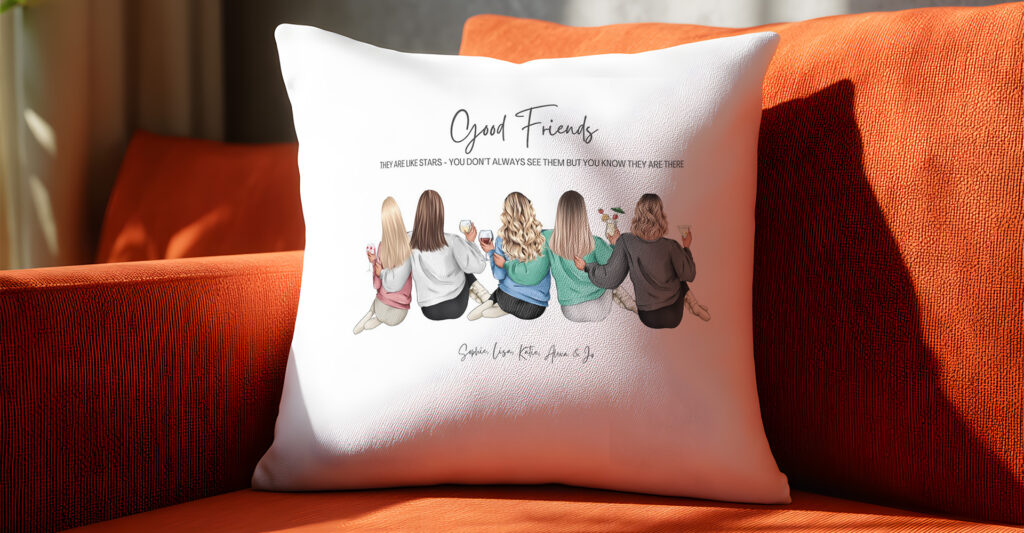
Not all products have the same personalization potential. The strongest results are achieved in categories with a clear emotional or gift-related value. T-shirts, mugs, and hoodies featuring names, dates, or personal messages remain extremely popular, but home & living products such as blankets, pillows, and wall art perform just as well.
Unique products, such as all-over print Hawaiian shirts, are also worth highlighting. Their distinctive design and large printable area make them ideal candidates for personalization.
Personalization is particularly effective for children’s products and accessories purchased with a specific person in mind. The more personal the product feels, the more likely customers are to accept a higher price.
Personalization as a Response to Seasonal Demand
In e-commerce, there are moments when personalization becomes the most natural choice for customers. Occasions such as Valentine’s Day, Mother’s Day, Father’s Day, holidays, or the wedding season are times when shoppers are not looking for the cheapest option, but for a meaningful gift.
Personalized products fit these needs perfectly, allowing customers to create something unique, even for last-minute purchases. This is one of the reasons why top sellers increasingly build their seasonal campaigns around personalization.
Personalization Automation: The Foundation of Scaling Print-on-Demand
While personalization offers many benefits, without the right tools it can quickly turn into an operational challenge. Manual project handling slows down order fulfillment, increases the risk of errors, and limits scalability.
That’s why full automation of the entire process, from product customization in the online store to transferring files to production is essential. Only then does personalization remain profitable at higher order volumes.
Snapwear × Teeinblue Integration: Personalization Without Barriers
At Snapwear, we offer an integration with Teeinblue, one of the most advanced personalization tools available for e-commerce. This allows sellers to implement personalization without restructuring their operational workflows.
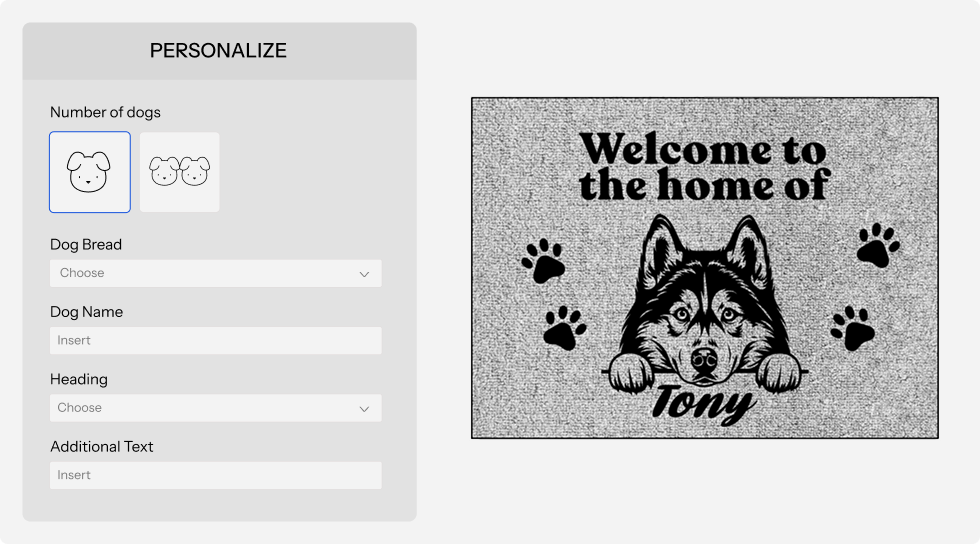
Customers personalize products directly in the embedded design tool connected to Teeinblue and see a real-time preview of their design. Production-ready files are automatically sent to Snapwear, eliminating manual work and minimizing the risk of errors. The entire process remains fast, predictable, and fully scalable.
Learn more about the Snapwear × Teeinblue integration
Why Do Top Sellers Choose Personalization?
The most successful print-on-demand sellers don’t compete on price alone. They focus on value, customer experience, and long-term brand building. Personalization enables them to sell products that are difficult to copy, more memorable for customers, and more profitable over time.
That’s why personalization is increasingly becoming the foundation of sales strategies, not just an optional add-on.
Personalization in Print-on-Demand: A Necessary Step in Store Growth
Product personalization in print-on-demand is now one of the most effective ways to increase margins, conversion rates, and customer loyalty. When combined with automation and integrations like Teeinblue, it enables sellers to scale their business without adding operational complexity.
For sellers who take a long-term approach to growing their e-commerce business, personalization is no longer an option. It is a necessity.